


Proper cleaning and maintenance of your commercial fruit juicer machine are crucial for ensuring its longevity, maintaining optimal performance, and ensuring food safety. Regular upkeep not only prolongs the life of your juicer but also ensures that your customers receive the highest quality juice. Here are detailed steps and tips on how to clean and maintain your commercial fruit juicer machine:
Daily Cleaning Routine
Disassembly
Unplug the Juicer: Always ensure the juicer is unplugged from the power source before cleaning to avoid any electrical hazards.
Disassemble the Parts: Remove all detachable parts such as the juicing bowl, strainer, auger, or blades, pulp container, and juice container. Refer to the manufacturer's manual for specific instructions on disassembly.
Cleaning the Parts
Rinse Immediately: Rinse each part immediately after use to prevent pulp and juice residue from drying, which can make cleaning more difficult.
Soak in Warm, Soapy Water: Soak the removable parts in warm, soapy water for about 10-15 minutes. This helps loosen any stuck-on residue.
Scrub Thoroughly: Use a soft brush to scrub the parts, paying special attention to the mesh strainer and other areas where pulp and juice residue may accumulate. Avoid using abrasive materials that could damage the parts.
Rinse and Dry: Rinse each part thoroughly under running water to remove any soap residue. Allow the parts to air dry completely or use a clean towel to dry them.
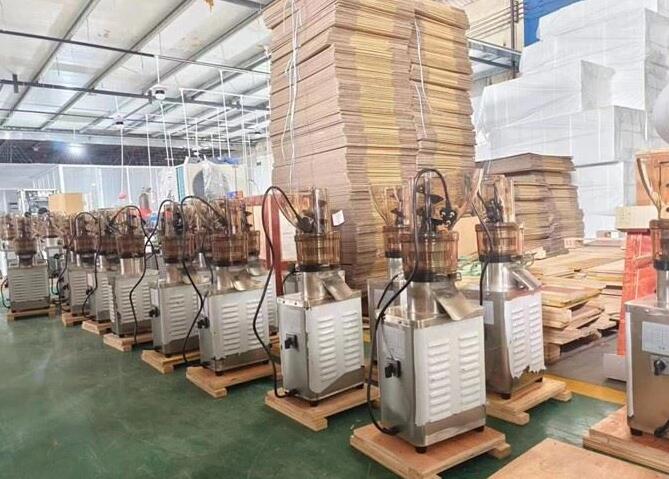
Cleaning the Main Unit
Wipe Down the Exterior: Use a damp cloth to wipe down the exterior of the juicer, removing any spills or splashes. Avoid using abrasive cleaners that could damage the surface.
Clean the Juicer's Base: If any juice or pulp has spilled into the juicer's base, use a damp cloth to clean it. Ensure the base is dry before reassembling the juicer.
Deep Cleaning Routine
Weekly or Bi-Weekly Deep Cleaning
Check the Manufacturer's Guidelines: Refer to the manufacturer's manual for any specific deep cleaning instructions.
Use Specialized Cleaners: Consider using specialized cleaning agents designed for juicers to remove any buildup that regular cleaning might miss. These are particularly useful for removing mineral deposits and other stubborn residues.
Descaling
Descaling Solution: If you live in an area with hard water, mineral deposits can build up in your juicer. Use a descaling solution recommended by the manufacturer to clean internal parts periodically.
Soak and Rinse: Soak the parts in the descaling solution as instructed, then rinse thoroughly with water.
Maintenance Tips
Regular Inspection
Inspect for Wear and Tear: Regularly check all parts for signs of wear and tear, such as cracks, chips, or dull blades. Replace any damaged parts immediately to ensure the commercial fruit juicer machine operates efficiently and safely.
Check the Blades: For centrifugal juicers, ensure the blades are sharp. Dull blades can reduce juicing efficiency and strain the motor. Sharpen or replace blades as necessary.
Lubrication
Lubricate Moving Parts: Some juicers may require occasional lubrication of moving parts. Use food-safe lubricants as recommended by the manufacturer to keep the parts moving smoothly.
Tighten Screws and Bolts
Secure Loose Components: Over time, screws and bolts can become loose due to the machine's vibrations. Regularly check and tighten any loose screws or bolts to prevent parts from dislodging during operation.
Preventive Measures
Avoid Overloading
Do Not Overload: Avoid overloading the commercial fruit juicer machine with too much produce at once, as this can strain the motor and reduce the machine's lifespan. Feed produce gradually to ensure smooth operation.
Use Fresh Produce
Fresh Produce: Use fresh and properly prepared produce to prevent excessive buildup of residue. Wash fruits and vegetables thoroughly and remove any pits, seeds, or hard stems that could damage the juicer.
Follow the Manufacturer's Instructions
Adhere to Guidelines: Always follow the manufacturer's guidelines for use and maintenance. This includes recommended cleaning procedures, suitable produce types, and maximum operating times.


