


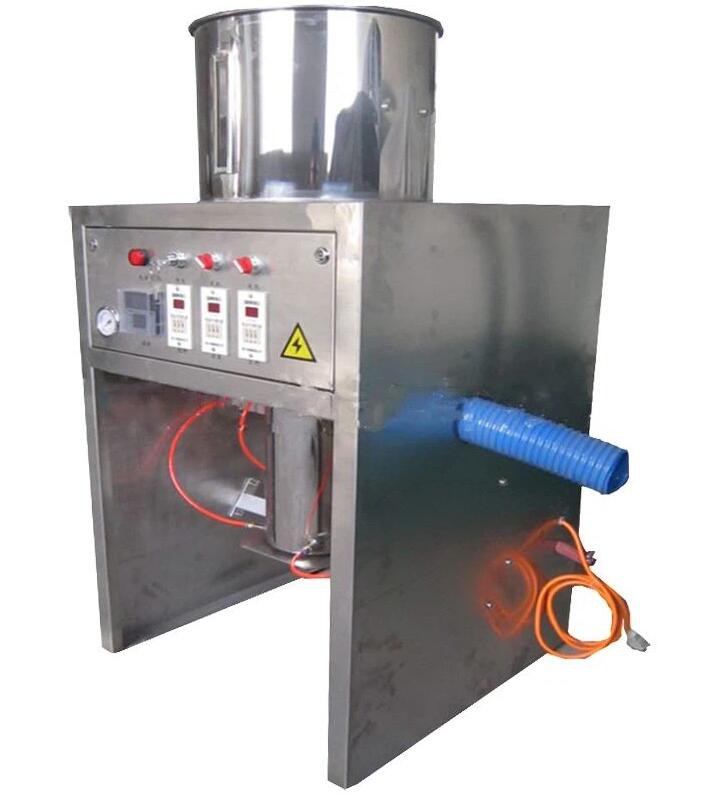
Automatic garlic peeling machines are a valuable innovation in the food processing industry, saving time and labor while streamlining the garlic peeling process. These machines are equipped with mechanisms that efficiently remove the peel from garlic cloves. In this article, we will delve into the workings of an automatic garlic peeling machine, providing a comprehensive overview of the process.
1. Garlic Loading:
The first step in the operation of an automatic garlic peeling machine is loading the garlic cloves into the machine's hopper or feeding system. This can be done manually by an operator or, in some cases, through an automated feeding system that continuously supplies cloves to the peeling machine.
2. Inspection and Sorting:
Before entering the peeling chamber, the garlic cloves are usually inspected and sorted. Any damaged or subpar cloves are removed at this stage to ensure that only suitable cloves proceed to the peeling process. This step helps maintain the quality of the final product.
3. Pneumatic Pressure:
Once the garlic cloves are loaded and sorted, they move into the peeling chamber. Automatic garlic peeling machines often use pneumatic pressure to create an environment conducive to peeling. The cloves are placed between two rollers or cylinders, and air pressure is applied to create a controlled squeeze on the garlic cloves.
4. Abrasion and Friction:
As the garlic cloves pass through the pressure point, they experience controlled abrasion and friction. The pressure and friction cause the garlic peel to loosen from the clove. The key principle here is that the pressure applied by the machine is sufficient to remove the peel but not so strong as to damage the garlic cloves themselves.
5. Vacuum System:
After the pressure and friction stages, the loosened garlic peels need to be separated from the cloves. Many automatic garlic peeling machines employ a vacuum system to achieve this. A suction mechanism removes the peels, separating them from the garlic cloves, which continue down the processing line.
6. Collection and Disposal:
The removed garlic peels are collected in a separate container or disposal system. These peels can be further processed for use in various applications, or they may be discarded depending on the manufacturer's preference.
7. Output Conveyor:
The peeled garlic cloves exit the machine through an output conveyor. This conveyor can be adjusted to control the speed and flow of the peeled garlic cloves, making it easy to collect and package them for further use or distribution.
8. Quality Control:
Before being packaged, the peeled garlic cloves may go through a final quality control check. Any cloves with lingering peel or defects that were missed during the sorting process can be manually removed at this stage to ensure a high-quality end product.
9. Packaging and Distribution:
The peeled garlic cloves are now ready for packaging and distribution. They can be packaged in various forms, such as bulk bags, jars, or containers, depending on the intended use and market.
Key Factors Affecting Automatic Garlic Peeling Machine:
- Garlic Variety: The type of garlic being processed can impact the peeling efficiency. Varieties with thicker or harder peels may require adjustments to the machine settings.
- Garlic Size: The size of the garlic cloves matters. Machines are often designed to handle a specific size range. Smaller or larger cloves may require modification or a different machine altogether.
- Machine Settings: The pressure and speed settings on the machine can be adjusted to optimize peeling based on the garlic variety and size.
- Maintenance: Regular maintenance and cleaning are essential to keep the machine operating at its best. Peeling elements, such as rollers and brushes, should be inspected and replaced when needed.
The automatic garlic peeling machines operate through a combination of pneumatic pressure, abrasion, and vacuum systems to efficiently and rapidly peel garlic cloves. These machines have revolutionized the food processing industry by saving time and labor while maintaining product quality. Their flexibility and efficiency make them valuable tools for restaurants, food processors, and commercial kitchens seeking to streamline the garlic peeling process.


