


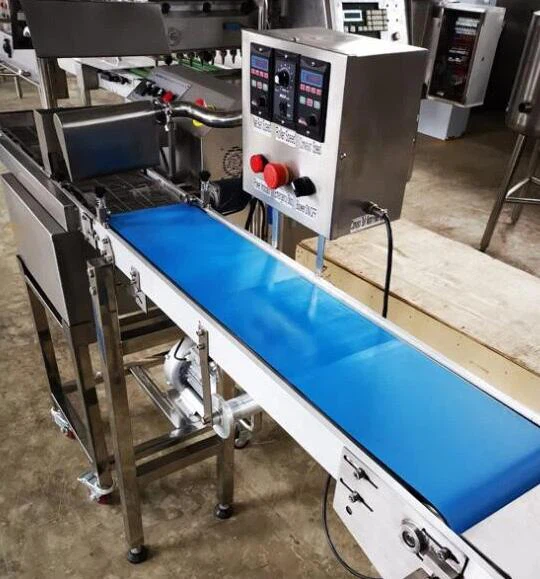
Chocolate coating enrobing machines offer a wide range of benefits to confectionery manufacturers, providing a streamlined and efficient process for coating various treats with a smooth layer of chocolate. Here's a detailed look at the key advantages of using chocolate coating enrobing machines in the production process:
1. Precision and Consistency:
One of the primary benefits of chocolate coating enrobing machines is the precision they bring to the coating process. These machines ensure a consistent and even application of chocolate on each treat, eliminating variations in coating thickness and providing a uniform finish. This precision is challenging to achieve consistently through manual methods.
2. Enhanced Product Appearance:
The consistent and even coating achieved by enrobing machines results in a polished and visually appealing product. The glossy finish on the treats contributes to their aesthetic appeal, making them more attractive to consumers. This improved appearance is crucial for products displayed in stores and contributes to a positive consumer perception.
3. Increased Production Efficiency:
Chocolate coating enrobing machines significantly boost production efficiency compared to manual coating methods. These machines can handle large volumes of treats in a continuous and automated process, reducing the time and labor required for coating. The higher throughput allows manufacturers to meet market demands and scale their production capabilities.
4. Versatility in Treat Handling:
They are designed to handle a variety of treats, accommodating different shapes, sizes, and textures. Whether it's nuts, fruits, biscuits, or confectionery centers, these machines offer versatility in treating a diverse range of products without compromising quality. The adaptability of enrobing machines makes them suitable for a wide array of confectionery applications.
5. Tempering Control:
Chocolate tempering is a critical factor in achieving the desired texture and appearance of coated treats. They provide precise control over the tempering process, ensuring that the chocolate maintains the right consistency throughout the coating operation. This results in a glossy finish and optimal snap in the chocolate coating.
6. Reduced Chocolate Waste:
They are designed to minimize chocolate waste during the coating process. The closed-system design and controlled chocolate flow help prevent excess chocolate from dripping off treats, reducing waste and contributing to cost efficiency. The ability to recycle excess coating further minimizes environmental impact.
7. Hygienic and Easy to Clean:
Chocolate coating enrobing machines are constructed with hygiene in mind. The closed-system design minimizes the risk of contamination, and many machines are built with easy-to-clean components. This ensures that the production process remains sanitary, meeting the stringent food safety standards of the industry.
8. Customization Capabilities:
Manufacturers can leverage enrobing machines for creative customization of their products. With adjustable settings, these machines allow for experimentation with different chocolate formulations, colors, and patterns. This flexibility enables confectioners to produce unique and visually distinctive treats, meeting diverse consumer preferences.
9. Consistent Texture and Mouthfeel:
The precise coating provided by enrobing machines contributes to a consistent texture and mouthfeel in the final product. Whether the treat is crunchy, chewy, or soft, the uniform chocolate layer enhances the overall eating experience, meeting consumer expectations for quality and enjoyment.
10. Extended Shelf Life:
The controlled and even coating offered by enrobing machines helps extend the shelf life of chocolate-coated treats. The chocolate layer serves as a protective barrier, preventing moisture absorption and staling. This preservation of freshness contributes to a longer shelf life for the products.
The chocolate coating enrobing machines bring about a multitude of benefits for confectionery manufacturers, ranging from precision and efficiency to versatility and customization. The adoption of these machines represents a strategic investment for producers looking to enhance the quality, appearance, and marketability of their chocolate-coated treats while optimizing production processes.


