


Maintaining a sausage production line requires a proactive and consistent approach encompassing cleaning, sanitation, regular inspections, lubrication, and timely repairs.
A well-maintained line ensures food safety, minimizes downtime, maximizes efficiency, and extends the lifespan of your equipment. Here's a comprehensive guide on how to maintain your sausage production line:
Establish a Regular Cleaning and Sanitation Schedule:
This is paramount for preventing contamination and ensuring food safety.
Daily Cleaning:
Immediately after each production run, thoroughly clean all equipment that comes into contact with meat. This includes grinders, mixers, stuffers, linkers, clippers, conveyors, and other processing machinery.
Disassemble equipment as per the manufacturer's instructions to access all parts.
Remove all meat residue, fat, and debris using brushes, scrapers, and warm, soapy water.
Pay close attention to crevices, seams, and hard-to-reach areas where bacteria accumulate.
Rinse all components thoroughly with clean water to remove any soap residue.
For stainless steel parts, ensure they are completely dried to prevent corrosion.
Sanitation:
After cleaning, sanitize all food contact surfaces with a food-grade sanitizing solution, following the manufacturer's instructions for concentration and contact time.
Common sanitizers include chlorine-based solutions, quaternary ammonium compounds, or peracetic acid.
Rinse some sanitizers; others are leave-on. Ensure you understand the requirements for your chosen sanitizer.
Regular Deep Cleaning:
Schedule more thorough deep cleaning sessions (e.g., weekly or monthly) where equipment is more extensively disassembled and cleaned, including internal parts and areas not easily accessible during daily cleaning.
Clean-In-Place (CIP) Systems: If your sausage production line has CIP systems, follow the established protocols for automated cleaning and sanitization cycles. Regularly verify the effectiveness of the CIP system.
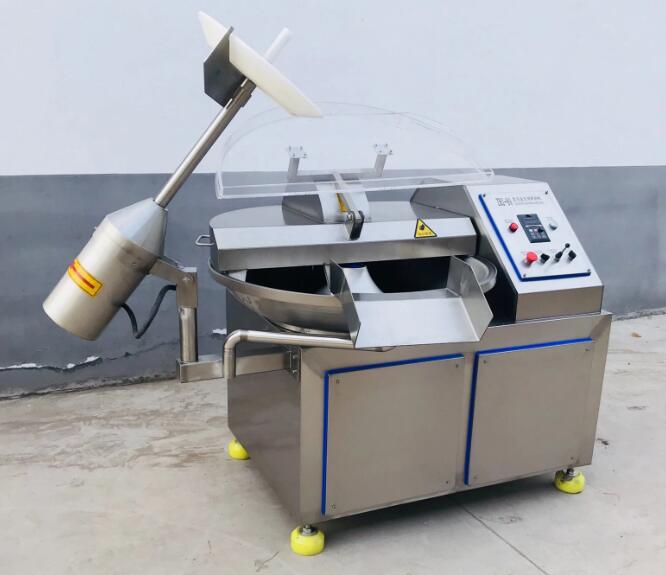
Implement a Preventive Maintenance Program:
Regular inspections and maintenance can identify potential issues before they lead to breakdowns and costly repairs.
Daily Checks:
Visually inspect all equipment for any signs of wear and tear, loose parts, leaks, or damage.
Check oil and lubricant levels in machinery.
Listen for unusual noises or vibrations during operation.
Ensure safety guards and mechanisms are in place and functioning correctly.
Weekly/Monthly Maintenance:
Lubricate moving parts (bearings, gears, chains) according to the manufacturer's recommendations using food-grade lubricants.
Tighten any loose bolts, screws, or fittings.
Inspect belts and chains for wear, tension, and alignment. Adjust or replace as needed.
Check the sharpness of the grinder plates and knives. Sharpening or replacement may be required.
Inspect hoses and connections for leaks or damage.
Examine electrical wiring and connections for any signs of fraying or damage.
Annual Maintenance:
Schedule professional servicing of critical equipment.
Conduct thorough inspections of all major components.
Replace worn or damaged parts as recommended by the service technician or based on wear indicators.
Calibrate sensors and control systems.
Proper Lubrication:
Adequate lubrication is crucial for the smooth operation and longevity of moving parts.
Use only food-grade lubricants to avoid contamination.
Follow the manufacturer's lubrication schedule and instructions for each piece of equipment.
Ensure the correct type and amount of lubricant is used.
Regularly inspect lubrication points and ensure they are functioning correctly.
Regular Inspections and Monitoring:
Consistent monitoring helps identify issues early.
Train operators to be vigilant and report any unusual observations (noises, smells, performance changes).
Implement a system for logging maintenance activities and any identified issues.
Regularly review maintenance logs to identify recurring problems and adjust the maintenance schedule as needed.
Prompt Repairs and Replacements:
Address any identified issues promptly to prevent further damage and downtime.
Have a readily available stock of critical spare parts.
Establish relationships with reliable service technicians for complex repairs.
Follow proper lockout/tagout procedures before performing any maintenance or repairs.


